Mirrors Mounted
Secure and Aligned
Mirror installations in Milton for bathrooms, entryways, and living spaces requiring stable mounting and clean visual lines
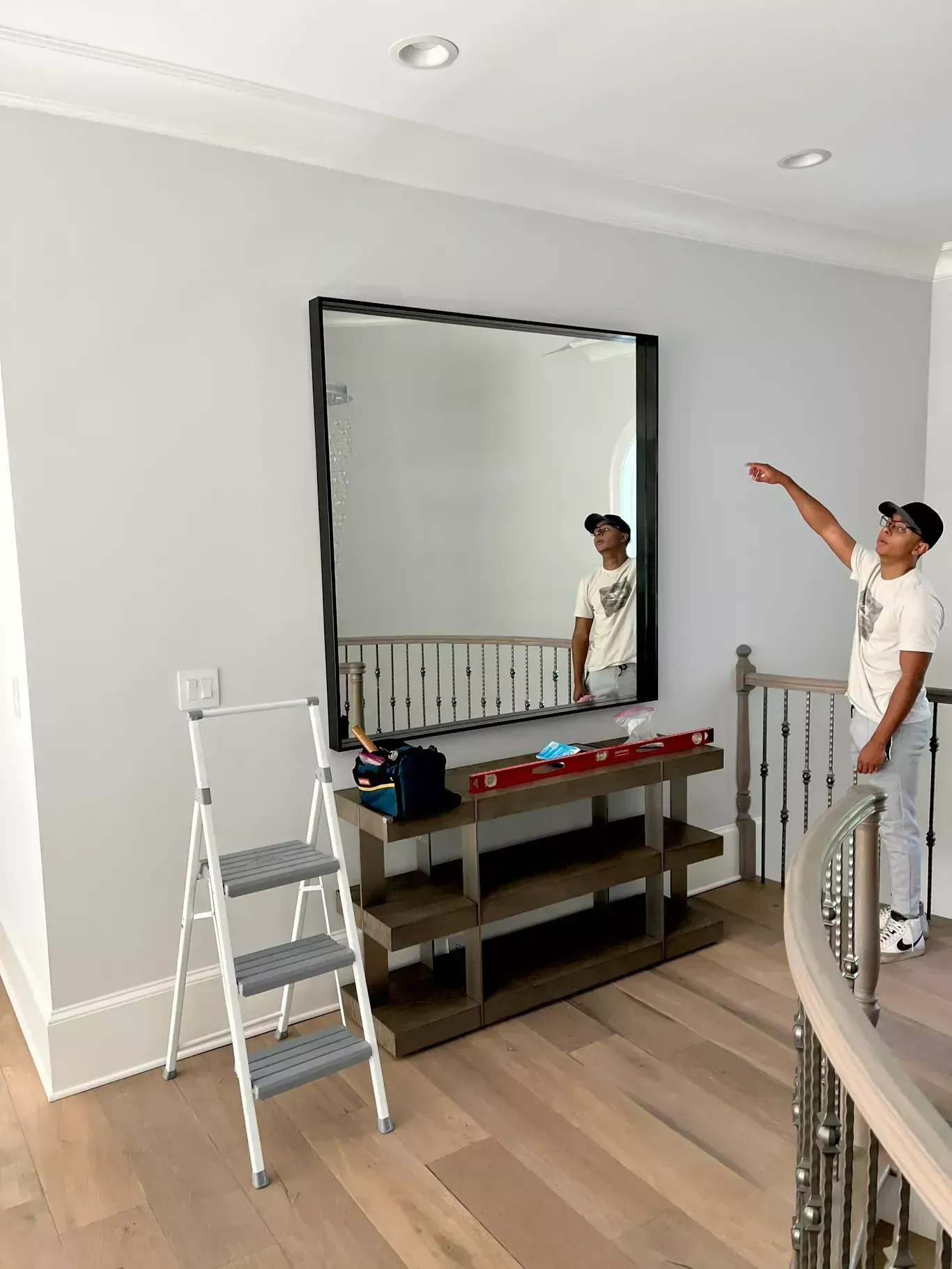
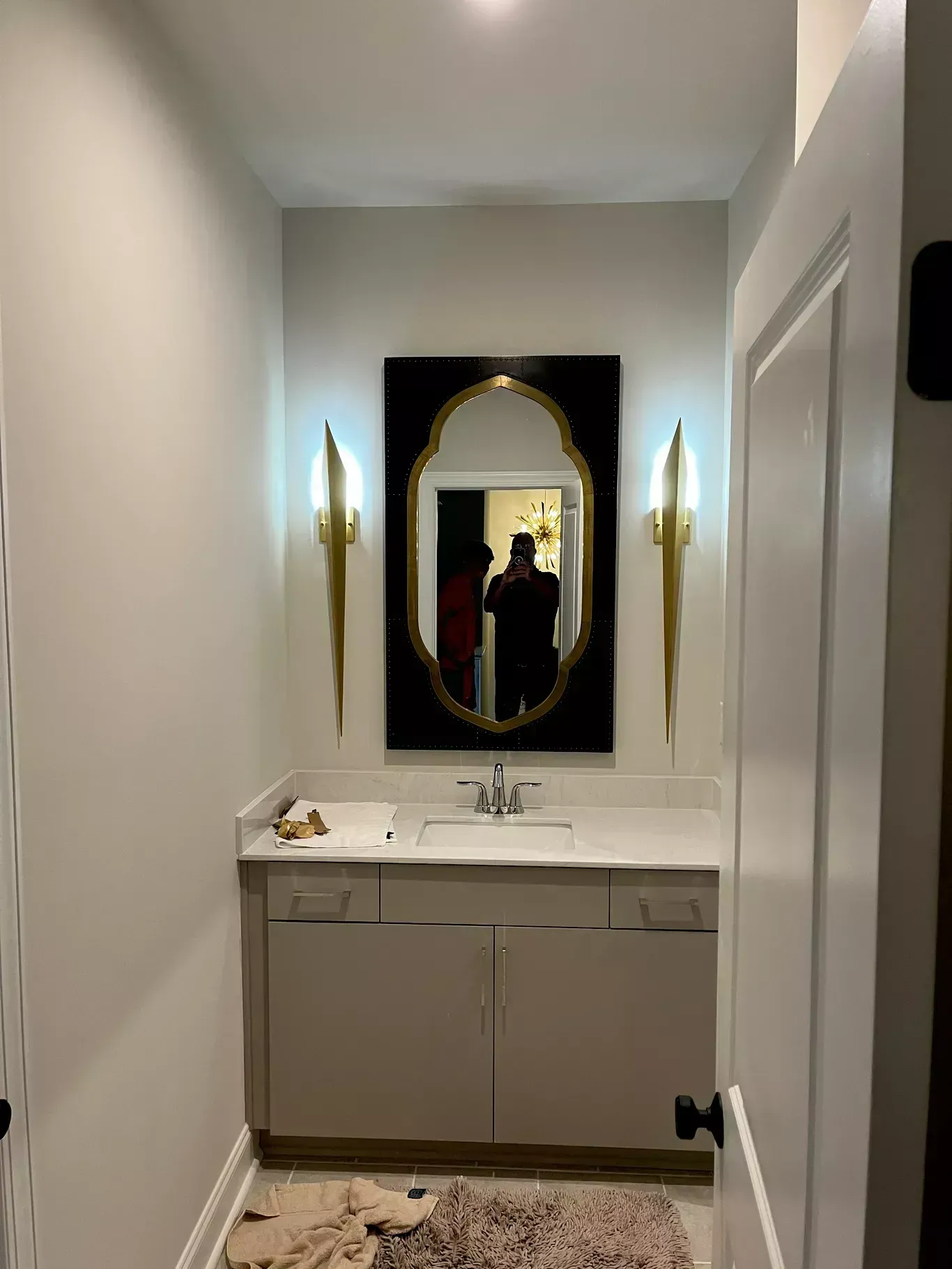
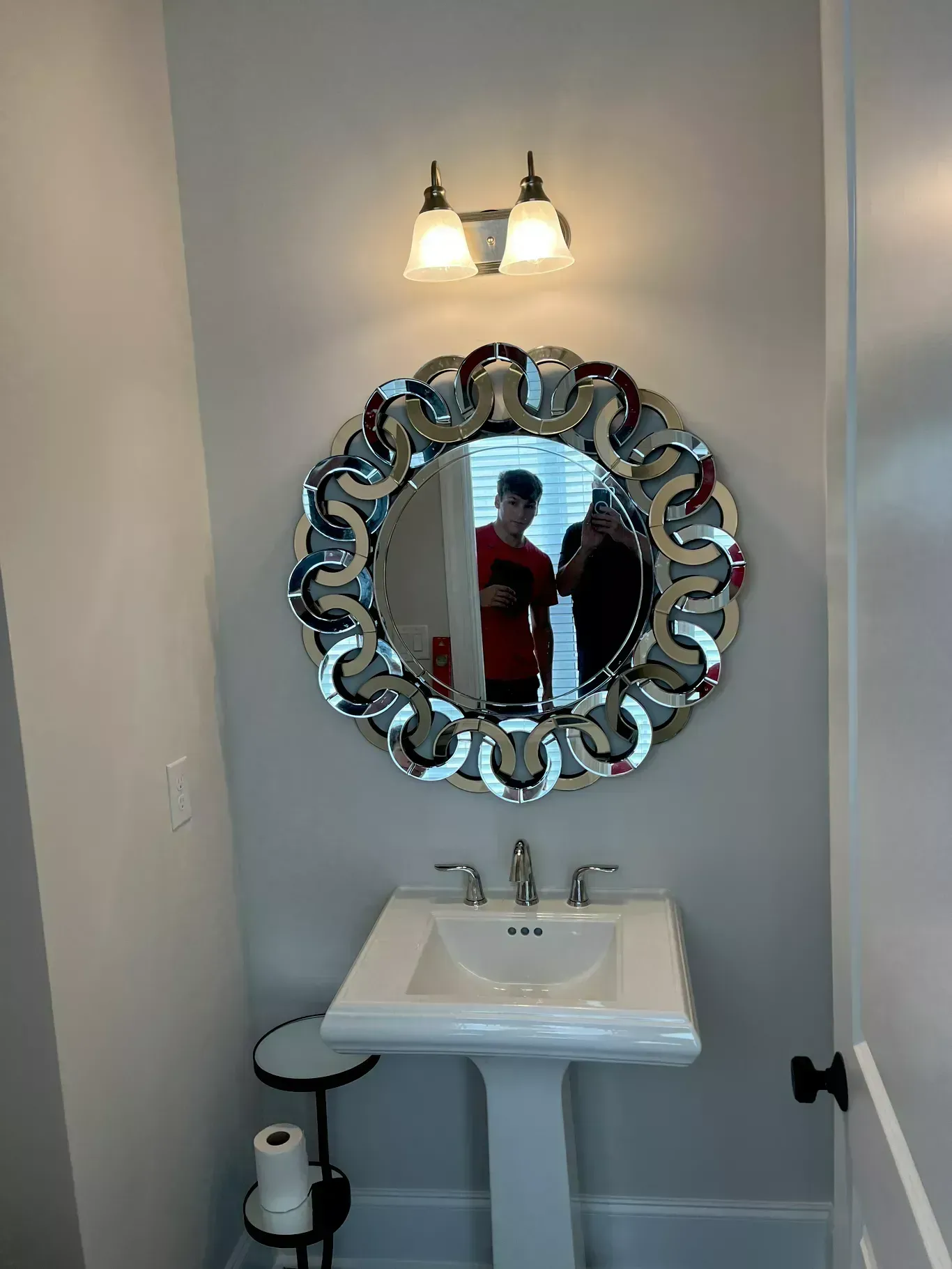
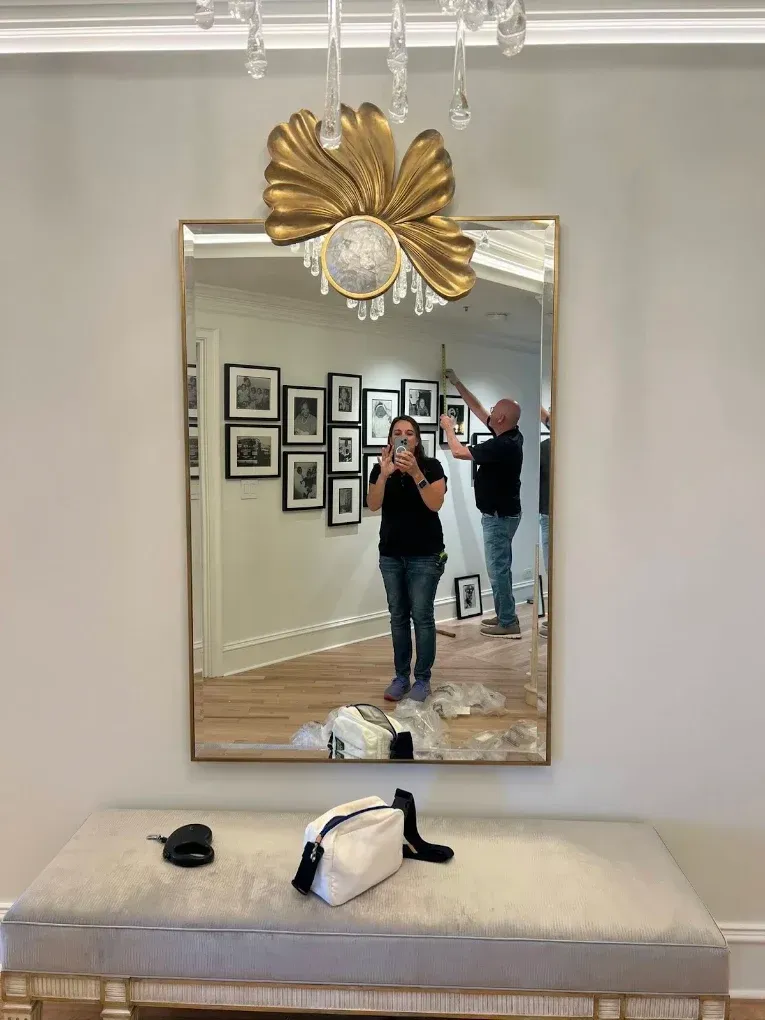
Metro Atlanta bathrooms and living spaces rely on professional mirror installation to prevent the slipping, tilting, and structural safety issues that emerge when mirrors aren't anchored properly or when adhesive alone can't handle the weight. The installation method depends on wall surface type, mirror weight, and whether the mirror will experience regular contact during use. Sedgwick Premium Installation Services handles mirror installations throughout Milton, Brookhaven, and the Perimeter area by assessing wall surfaces to determine the appropriate anchoring approach, measuring and marking placement with a level to ensure alignment, and testing stability before finishing gaps with caulk or trim.
Mirrors in high-use areas such as bathrooms require backing plates or French cleat systems that distribute weight across multiple anchor points, while decorative mirrors in entryways may mount with adhesive combined with safety clips. Each approach addresses specific conditions: wall composition, mirror dimensions, and how frequently the mirror will be touched or adjusted.
Request a consultation to review your mirror dimensions and discuss mounting methods suited to your wall type and installation location.
What Changes After Mirror Installation Completes
Mirror mounting begins with surface evaluation to determine whether studs are accessible at the mounting location, whether drywall anchors are necessary, or whether adhesive provides adequate holding strength for the mirror's weight. Backing plates install first when needed, creating a stable mounting surface that keeps the mirror from shifting over time as household humidity and temperature change.
After installation, you'll notice a mirror that sits perfectly vertical against the wall without gaps at the top or bottom, doesn't shift when touched during daily use, and maintains alignment even in high-humidity bathroom environments where temperature swings can affect adhesive bonds. Sedgwick Premium Installation Services uses the same level-based precision for mirror placement that ensures gallery artwork hangs straight, applying decades of installation experience to residential mirror work.
Testing includes applying pressure to verify the mirror doesn't move or flex against mounting hardware, and checking that edges sit flush where they meet trim or tile. Finishing work seals gaps with clear caulk to prevent moisture intrusion behind the mirror in bathroom applications, or adds decorative trim where the design calls for a framed appearance. The service covers mounting and alignment but doesn't include mirror cutting, edge polishing, or frame construction.
Questions About Mirror Installation
Homeowners across the North Atlanta area typically ask about mounting methods, weight limits, and how installation differs based on mirror size and location before scheduling the work.
What mounting method works best for heavy mirrors?
French cleat systems provide superior weight distribution for mirrors exceeding fifty pounds. The cleat mounts to wall studs and interlocks with a matching bracket on the mirror back, supporting substantial weight while allowing minor positioning adjustments.
How does bathroom humidity affect mirror mounting?
High humidity can weaken adhesive bonds over time, which is why bathroom mirrors benefit from mechanical anchoring in addition to adhesive. Safety clips or backing plates ensure the mirror stays secure even if moisture affects the adhesive.
What wall types require different installation approaches?
Tile walls need masonry anchors or adhesive rated for non-porous surfaces, drywall typically uses toggle anchors or stud mounting, and plaster requires specialized anchors that won't crack the brittle surface during installation.
When should mirrors use clips versus adhesive mounting?
Clips work for framed mirrors or installations where future removal might be necessary, while adhesive suits frameless mirrors in permanent installations. Combining both methods provides redundant security for valuable or heavy mirrors.
Why do some mirrors develop gaps at the edges after installation?
Walls that aren't perfectly flat create gaps between the mirror surface and the wall. Shimming during installation compensates for wall irregularities, or strategic adhesive application fills minor gaps while maintaining secure contact.
Mirror installations throughout Milton and surrounding areas receive the same attention to alignment and structural stability that Sedgwick Premium Installation Services brings to all precision mounting work. Schedule an evaluation to discuss your mirror installation requirements and review mounting options for your specific location.